




From wall sockets to high-speed electric vehicles, electrical current flows in ways we cannot see. To ensure that this energy always follows a safe and controlled path, countless protective barriers are used to keep it within designated circuits. Among them, one of the least noticeable yet most essential components may be a simple strip of electrical insulation tape wrapped around a wire. It may not have the precision of a microchip or the visual appeal of a display screen, but during every electrical connection, repair, and protective application, it quietly performs critical functions: providing electrical insulation, resisting heat, and helping prevent short circuits.
The primary purpose of electrical insulation tape may seem straightforward: to cover energized components. However, reliable insulation involves far more than simply wrapping a wire in plastic. Taking the most common PVC Electrical Insulation Tape as an example, its backing is made from flexible polyvinyl chloride (PVC) film, which provides a physical insulating barrier. The rubber-based pressure-sensitive adhesive coated onto the film helps the tape conform closely to the surface after application. When multiple layers are stretched and overlapped during wrapping, the adhesive and backing work together to create a continuous insulating covering with minimal gaps, helping separate the conductor from the external environment. Effective insulation depends not simply on covering a wire, but also on proper stretching, application, and close contact between the tape layers.
For more demanding operating conditions, the material system must also be upgraded. Flame-retardant glass cloth tape uses high-strength glass fiber as its backing material, offering tensile strength and tear resistance. It can maintain dimensional stability in applications such as motor windings, automotive wiring harnesses, and new energy equipment, while helping limit flame propagation when properly specified. High-voltage self-amalgamating tape, on the other hand, relies on rubber- or silicone-based materials that bond together after wrapping. This self-fusing process helps eliminate air gaps between layers and provides void-free primary insulation in applications involving higher voltage levels. The technical value of a roll of tape is rarely reflected in its appearance. Instead, it lies in the details of backing formulations, adhesive design, and manufacturing precision.
The applications of electrical insulation tape have expanded far beyond distribution boxes, extending into multiple areas of modern industry and everyday life. In residential settings, suitable insulation tape may be used for certain minor protective applications involving electrical connections and cable coverings. However, damaged wiring and loose electrical connections should be assessed and repaired by qualified professionals rather than relying on tape as a substitute for proper repair.
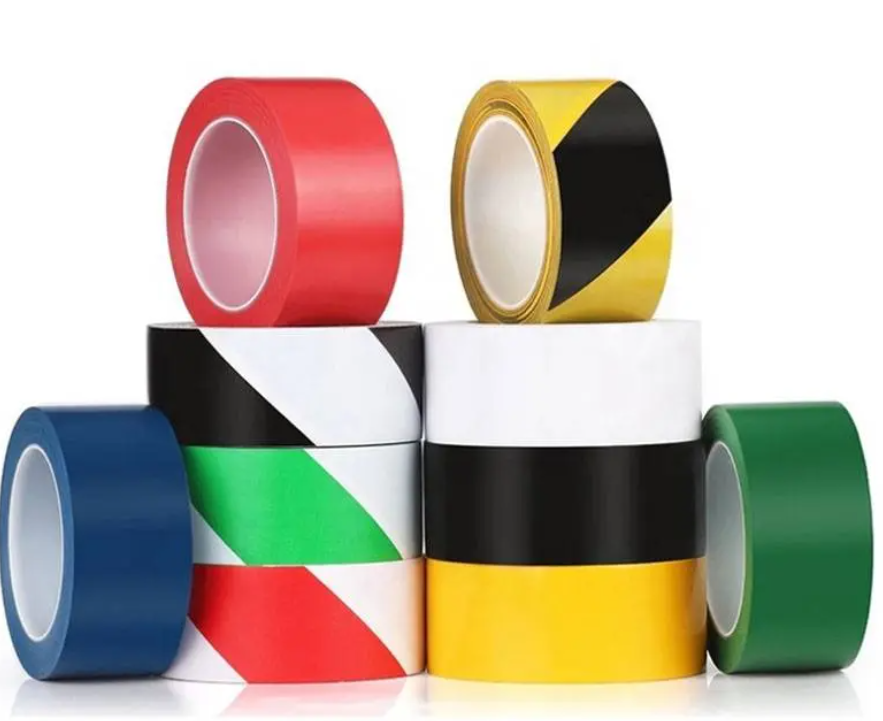
In the automotive and new energy sectors, 800 V high-voltage platforms are increasingly being adopted alongside traditional 400 V systems, placing more demanding requirements on the dielectric strength and thermal performance of insulation materials. High-density wiring inside traction battery packs and electronic control units is also driving the evolution of electrical insulation tape from a general-purpose consumable into a more specialized functional material subject to application-specific qualification requirements. Across power grids and industrial infrastructure, substations, transformers, motor windings, and rail transit equipment all generate ongoing demand for reliable insulation products during electrical system upgrades and maintenance.
Precisely because electrical insulation tape is often invisible in its final application, its quality depends heavily on manufacturing consistency and process control. A roll of tape should not be judged solely by its feel or price. Its quality needs to be supported by traceable standards, laboratory test data, and consistent performance across production batches. This is where professional manufacturers demonstrate their value: turning invisible electrical protection into a measurable and repeatable manufacturing capability.
Shanghai Newera Viscid Products Co., Ltd., with more than 30 years of experience in adhesive tape manufacturing and exports, provides a range of insulation tape products, including PVC Electrical Insulation Tape and PVC Wrapping Tape, serving customers in 80 countries and regions worldwide.
Supporting this product range is an integrated quality control system covering the process from raw materials to finished products. The company operates a professional laboratory to test raw materials and finished goods, helping ensure that each production batch meets applicable requirements. Its stated compliance credentials include RoHS, SGS, ISO 9001, and REACH-related qualifications, providing buyers with supporting documentation for product quality and compliance evaluation, subject to the scope of each applicable certificate or test report.
On the manufacturing side, the Shanghai facility has a reported monthly production capacity of 3 million square meters and is equipped with imported precision machinery, including reaction kettles, coating machines, slitting machines, and rewinding machines. The company also supports OEM customization, covering product colors, thicknesses, and printed identification. Together, these capabilities address a fundamental concern in electrical insulation tape procurement: product quality should never depend on chance. It must be supported by a consistent and verifiable manufacturing system.
For residential users, checking applicable safety approval marks on product packaging is far more reliable than choosing tape based solely on marketing claims such as "extra thick" or "extra strong adhesion." Industrial and new energy customers, meanwhile, need to evaluate temperature ratings, flame-retardant qualifications, and dielectric performance parameters against their specific operating conditions.
Behind every certification mark and technical specification is a disciplined manufacturing process involving formulation development, coating control, and finished-product inspection. When a roll of tape remains in service around a cable connection for years without failure, that reliability is not simply a matter of luck. It is the result of performance requirements and quality controls being evaluated before the product leaves the factory.

The market for electrical insulation tape continues to expand. Power grid modernization, the growing adoption of electric vehicles, and increasing complexity in electronics manufacturing are all driving demand for reliable insulation materials. Yet these market trends are perhaps best understood through a practical example: when an electric vehicle operates under high-voltage conditions, when a substation experiences lightning-induced surges, or when a cable must withstand decades of moisture exposure and temperature fluctuations, the components protecting electrical safety are often not the most visible ones. They are the insulation layers wrapped deep inside cable connections, quietly performing their function without attracting attention.
The less noticeable they are in everyday operation, the more effectively they may be fulfilling their intended role. And what makes this quiet reliability possible is precisely the part of manufacturing that allows no compromise: standards, laboratory testing, and a consistent commitment to quality control, day after day.
Post time: Nov-27-2026