




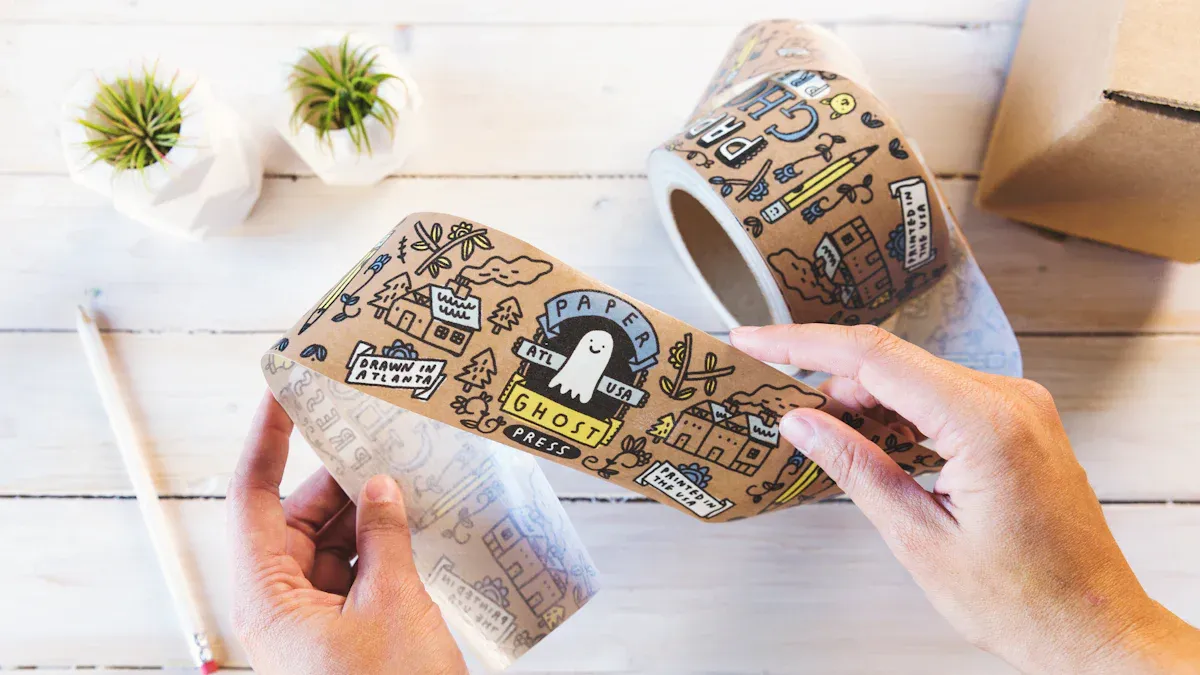
Ever struggled to pick the right tape for your business? You might need strong peel strength for packaging, insulation for electrical work, or something that can handle high temperatures. Each job comes with its own set of needs—like managing temperature swings, humidity, or chemical exposure. You want a clean, simple solution, not the hassle of messy alternatives. When you match custom adhesive tape to your exact application, you make the smartest choice. Understanding the tape’s type, how it performs, and which supplier you trust can save you time and money.
Key Takeaways
- Identify your specific tape needs based on application areas like packaging, labeling, or electrical work to make informed choices.
- Understand tape performance requirements such as strength, adhesion, and temperature resistance to ensure it meets your business demands.
- Choose the right adhesive type for your tasks, whether it’s hot melt, rubber-based, acrylic, or silicone, to achieve optimal results.
- Consider customization options like size, shape, and color to enhance branding and improve organization in your workspace.
- Always test samples before ordering in bulk to ensure the tape performs well under real-world conditions, saving you time and money.
Define Your Business Needs
Application Areas
Before you pick a tape, you need to know where you’ll use it. Every business has different needs, and custom adhesive tape can help you solve many challenges. Here are some common areas where businesses rely on custom tape:
- Packaging: You want your boxes to stay sealed during shipping. Custom packing tape keeps your products safe and makes packing faster.
- Labeling: You can use custom printed tape to add your logo or important messages to packages. This helps your brand stand out.
- Electrical: Some tapes are made for electrical work. They keep wires safe and meet safety rules.
- Branding: Custom printed tape turns plain boxes into branded packages. Your customers notice your logo right away.
Think about your main application. Do you need tape for shipping, organizing, or something more technical? When you know your main use, you can narrow down your choices.
Tape Performance Requirements
Now, let’s talk about what you need your tape to do. Not all tapes are the same. You should make a list of the most important properties for your job. Here’s a quick look at what matters most:
| Property | Description |
|---|---|
| Strength | Balanced tack and shear strength for quick adhesion and long-term stability. |
| Adhesion | High peel adhesion for durability against peeling forces. |
| Temperature Resistance | The highest temperature the tape can withstand for an extended period without deteriorating. |
| Flexibility | Needed for wrapping, bending, or sticking to uneven surfaces. |
Tip: If you work in a hot environment, check the tape’s maximum operating temperature. Some tapes handle over 200°F. Materials like fiberglass and silicone work best for high heat.
You might need strong tape for heavy boxes, or flexible tape for odd shapes. Write down your must-haves before you start shopping. This step will save you time and help you find the perfect tape for your business.
Custom Adhesive Tape Types and Materials
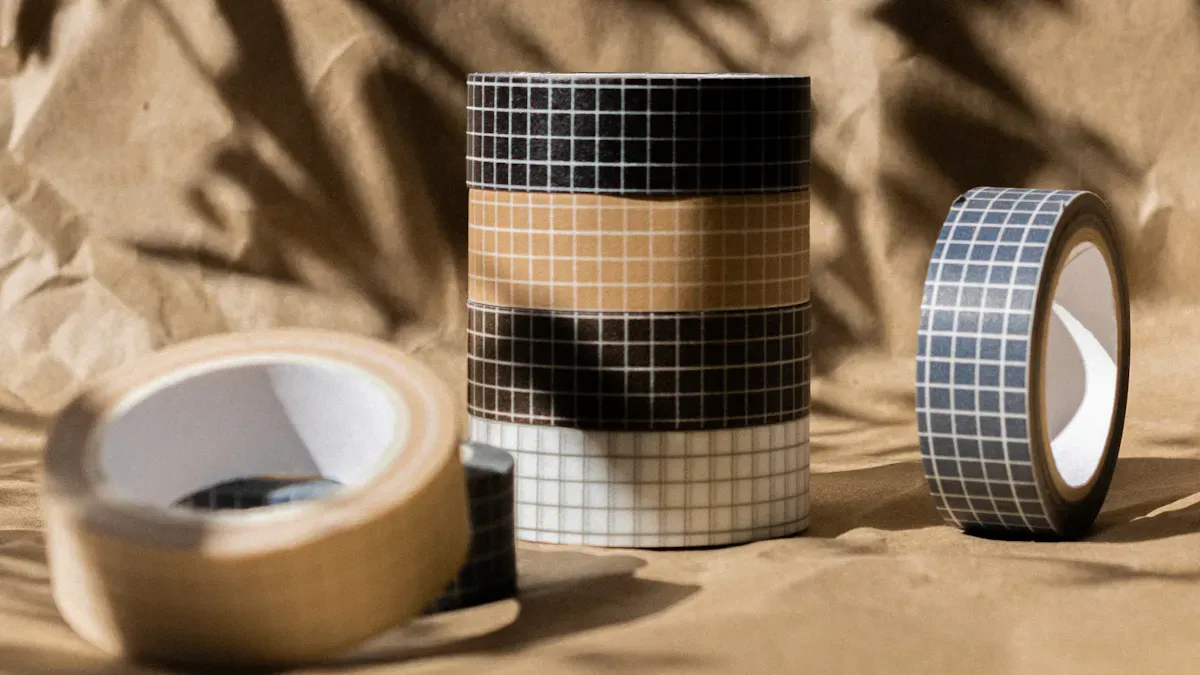
Choosing the right custom adhesive tape starts with understanding the different types of adhesives and materials. Each type works best for certain jobs, so knowing the basics helps you make a smart choice.
Adhesive Options
You’ll find several adhesive types in custom adhesive tape. Each one has its own strengths and best uses:
- Hot Melt Adhesives: These work well for packaging, bookbinding, woodworking, and even electronics. They stick fast and hold strong, even when temperatures change.
- Rubber-Based Adhesives: You’ll see these in shoe making, automotive, and sports gear. They offer great water resistance and work well for heavy-duty packing.
- Acrylic Adhesives: These are popular in electronics, healthcare, and construction. They bond quickly and last a long time.
- Silicone Adhesives: These shine in high-temperature environments, like splicing tapes or PCB masking tapes.
Here’s a quick look at where each adhesive type fits best:
| Adhesive Type | Use Cases |
|---|---|
| Hot Melt Adhesives | Packaging, bookbinding, woodworking, electronics |
| Rubber Based Adhesives | Shoe making, automotive, sports industries |
| Acrylic Adhesives | Electronics, healthcare, construction |
| Silicone Adhesives | High-temperature environments, splicing, PCB masking |
You’ll also see different tape styles, like double-sided tape for mounting, electrical tape for wires, and foam tape for cushioning. Each style brings its own pros and cons, so think about what your business needs most.
Tape Thickness and Flexibility
Tape thickness matters more than you might think. It affects how strong and flexible your custom adhesive tape will be. Here’s a simple guide:
| Thickness Range | Performance Characteristics |
|---|---|
| Thin (0.5 – 1.0 mm) | Best for smooth, flat surfaces. Great when you need a tight fit. |
| Medium (1.0 – 2.0 mm) | Balances strength and flexibility. Works for many surfaces. |
| Thick (2.0 mm+) | Perfect for rough or bumpy surfaces. Fills gaps and cushions. |
Thinner tapes stick better to smooth surfaces and resist sliding under pressure. Thicker tapes absorb shocks and fill in uneven spots, but they might not hold heavy loads as well over time. If you need to dampen vibration or cushion impacts, go for a thicker foam tape. For a clean, strong bond on a flat surface, a thinner tape does the trick.
Tip: Always match the tape thickness to your job. If you’re sealing a heavy box, use a medium or thick tape. For crafts or displays, a thin tape keeps things neat.
Surface Compatibility
Not every tape sticks well to every surface. The material you’re bonding makes a big difference in how your custom adhesive tape performs. For example, a tape that holds tight to metal might not work as well on plastic or wood. You need to match the tape to the surface for the best results.
Here’s a quick table to help you choose:
| Adhesive Type | Common Surfaces | Best Suited For |
|---|---|---|
| Silicone | High-temperature surfaces | Splicing, Teflon, PCB masking |
| Hot Melt | General surfaces | Polypropylene, labeling, packaging |
| Natural Rubber | Leather, fabric, paper | Electrical tape, heavy-duty packing |
| Water-activated | Cardboard, boxes | Packing boxes exposed to moisture |
| ATG Tape | Paper, plastics, metals | Posters, crafts, displays |
| Double-sided Tape | Fabric, paper, various | Crafts, displays, inconspicuous adhesion |
If you want a strong, lasting bond, always check if the tape matches your surface. This step keeps your packages sealed, your displays neat, and your projects looking professional.
Note: Surface compatibility is key. The right tape on the right surface means fewer failures and better results for your business.
By understanding adhesive options, thickness, and surface compatibility, you can pick the best custom adhesive tape for any job. This knowledge helps you avoid wasted time and money, and it keeps your business running smoothly.
Customization and Color Options
Size and Shape Choices
You can make your business run smoother by choosing the right size and shape for your tape. Custom adhesive tape comes in many shapes and sizes, so you can match it to your exact needs. If you work with odd-shaped products or tight spaces, custom-cut tape fits perfectly and sticks better. You don’t have to waste time cutting tape by hand or dealing with messy rolls. Pre-cut tape saves you time and keeps your workspace neat.
Take a look at how custom sizes and shapes help your business:
| Benefit | Description |
|---|---|
| Tailored to Fit Irregular Shapes | Custom-cut parts fit precisely into tight spaces, maximizing surface contact for better bonding. |
| Uniformity Across Applications | Pre-cut parts ensure consistency in size and shape, crucial for maintaining quality in manufacturing. |
| Material Waste Reduction | Supplying tape in exact dimensions minimizes waste, lowering costs and improving sustainability. |
| Time Savings | Pre-cut parts eliminate the need for on-site adjustments, speeding up production timelines. |
| Simplified Application | Features like easy-to-remove liners make application faster and more accurate. |
| Reduced Clutter | No need to handle large rolls, resulting in a cleaner workspace. |
| Optimized Bonding Strength | Custom shapes ensure maximum adhesive strength by covering the exact surface area required. |
| Stress Distribution | Tailored designs distribute mechanical stress evenly, improving structural integrity. |
| Improved Aesthetics | Pre-cut parts provide clean lines, enhancing the appearance of finished products. |
You get more than just efficiency. You also improve the look of your products and keep your team happy with less clutter.
Color Coding and Branding
Color makes a big difference in business. You can use colored tape to organize, label, and brand your products. Color coding helps you mark boxes, files, or shelves so everyone knows what’s inside. You save time because you don’t have to search for items or worry about mix-ups.
| Evidence | Description |
|---|---|
| Improved organization | Color-coded tape allows for easy marking of boxes, shelves, or files, indicating their contents or categories, which saves time when searching for items. |
| Prevention of confusion | The use of color-coded tape helps to prevent mix-ups among team members, enhancing communication and efficiency in business operations. |
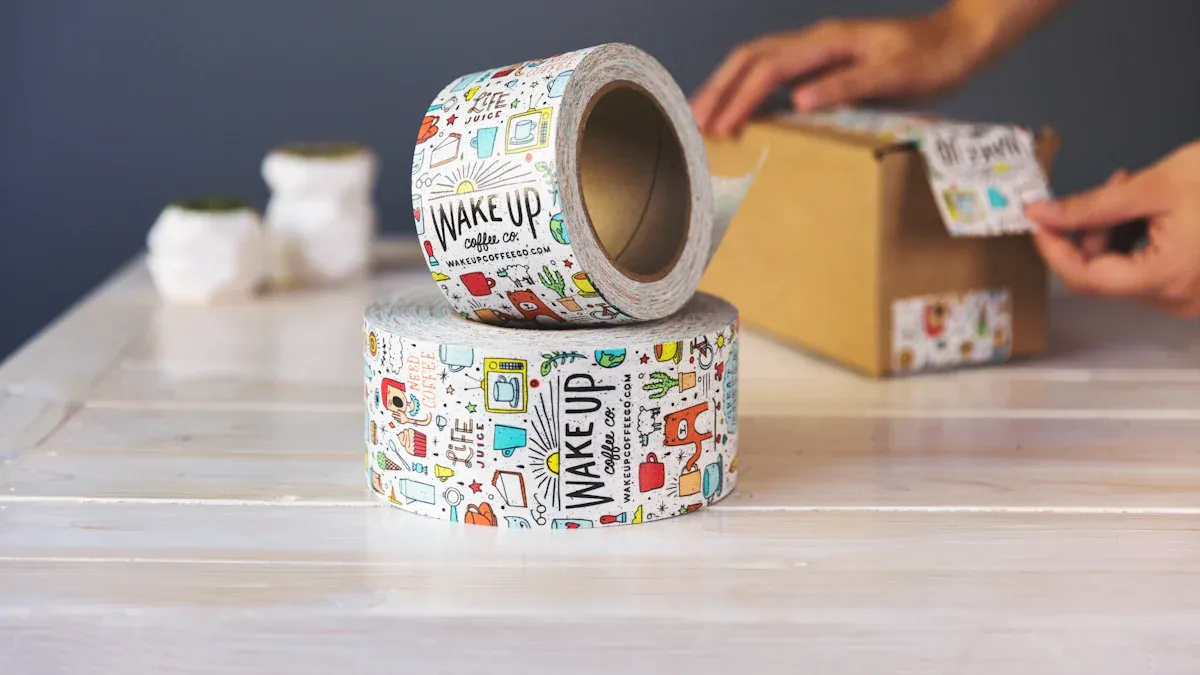
Branding with custom adhesive tape gives your business a boost. You can print your logo or choose colors that match your brand. Customers notice your packages right away and remember your business. Here’s how custom colored tape helps your brand:
- Enhances brand visibility and recognition.
- Provides better protection for packages.
- Reduces overall packaging costs.
- Custom printed tape acts as advertising.
- It improves customer experience and increases brand recognition.
- It helps your business stand out from competitors.
Color isn’t just about looks. It builds your business identity and makes your products easy to spot. When you use custom adhesive tape with your brand colors, you create a strong impression and keep your operations organized.
Quality and Supplier Selection
Performance Testing
You want your tape to last and perform well. Before you buy, check if the tape meets industry standards for quality and durability. Tapes must pass tests for how long they stick, if they work in hot or cold places, and if they are safe for food or electrical use. Standard tests like peel, shear, and tack testing help you see how strong the bond is. Here’s a quick look at common testing methods:
| Testing Method | Description | Application |
|---|---|---|
| Peel Adhesion | Measures force to break the bond between tape and surface | Checks how well tape sticks in real use |
| Tack | Tests how quickly tape grabs the surface | Good for tamper-evident or quick-stick needs |
| Shear | Looks at tape’s holding power under stress | Shows if tape stays put under weight or movement |
| Tensile Strength | Measures how much force tape can handle before breaking | Tells you about tape’s durability |
| Elongation | Checks how much tape stretches before snapping | Useful for flexible or stretchy tape |
Tip: Always ask your supplier for test results. This helps you avoid tape that fails when you need it most.
Choosing a Reliable Manufacturer
Picking the right supplier matters as much as picking the right tape. Look for companies with strong quality control, ISO certifications, and a good track record. Reliable manufacturers offer custom solutions, use eco-friendly practices, and deliver on time. Here are some things to check:
- Quality assurance with strict controls
- Customization options for your business
- Sustainable materials and green manufacturing
- Fast delivery and local support
- Industry experience and helpful service
A good supplier will also help you test tapes and answer your questions. They should know about standards like ASTM D3759 for strength and elongation.
Cost and Value Balance
Price matters, but value matters more. Cheap tape can cost you more if it fails. Look for custom adhesive tape that balances cost with long-term performance. Sustainable tapes made from recycled or compostable materials can save money and help the planet. Some tapes use less energy to make or need less material, which lowers your costs and your carbon footprint.
Note: The right tape and supplier save you time, money, and headaches. Choose wisely for the best results.
Making the Final Choice
Selection Checklist
You’re almost ready to pick the best tape for your business. Let’s make sure you don’t miss anything important. A checklist helps you stay organized and avoid mistakes. Here’s what you should look for:
- Tape dispenser types and quality
- Adhesion strength and bonding power
- Size and shape for your application
- Ease of use and quick application
- Essential packing supplies for your team
You also want to avoid common mistakes. Many businesses choose the wrong adhesive, which leads to weak bonds or tape that peels off. Sometimes, people forget to clean the surface before applying tape. That causes the adhesive to fail. Not preparing the surface or ignoring environmental factors can make the tape useless. Always check these points before you make your final decision.
Tip: Clean the surface and prepare it well. This simple step improves tape performance and keeps your packages secure.
Ordering Samples
You don’t want to order a huge batch and find out the tape doesn’t work. Testing samples saves you money and trouble. Here’s how you can do it:
- Identify the right tape type for your job. Think about backing material and surface compatibility.
- Evaluate adhesive properties like bonding power and heat endurance.
- Check the manufacturer’s certifications, such as ISO 9001:2015.
- Prepare your technical specs. List sizes, backing types, adhesive groups, and environmental conditions.
- Request samples and test them in real-world conditions. See how they perform before you place a bulk order.
If you follow these steps, you’ll find the custom adhesive tape that fits your needs. You get reliable results and avoid costly mistakes. Try samples first, and you’ll feel confident about your final choice.
You’ve learned how to match custom adhesive tape features to your business needs. Start by checking adhesive type, strength, and resistance to environmental factors. Explore options like double-sided, electrical, packaging, and foam tapes. When you understand adhesive types, customization, and supplier reliability, you prevent failures and boost efficiency. Keep quality control strong and choose the right materials. You’ll see better package protection, cost savings, and brand recognition. Take these steps and watch your business thrive.
FAQ
What is the best way to test custom adhesive tape before buying?
You should ask for samples from your supplier. Try the tape on your real products. Check if it sticks well and holds up under normal use. This step helps you avoid surprises.
Can I get my logo printed on adhesive tape?
Yes! Most suppliers offer custom printing. You can add your logo, brand colors, or even special messages. This makes your packages look professional and helps people remember your business.
How do I know which adhesive type I need?
Think about your main use. For hot areas, pick silicone. For strong, quick bonds, try hot melt. If you need long-lasting tape, choose acrylic. Ask your supplier for advice if you feel unsure.
Is custom tape more expensive than regular tape?
Custom tape can cost a bit more at first. You save money in the long run because it fits your needs better and reduces waste. You also get better branding and fewer problems with tape failure.
Post time: May-13-2026