




For anyone purchasing PVC Electrical Insulation Tape—whether OEM buyers, distributors, or maintenance managers—a product page may appear straightforward: a roll of tape, a price, and a minimum order quantity. However, the actual performance of the tape you receive depends on several figures that many buyers overlook: thickness, tensile strength, dielectric breakdown voltage, elongation, and peel adhesion. These five parameters help determine whether your insulation material can perform reliably over the course of a year or even a decade.
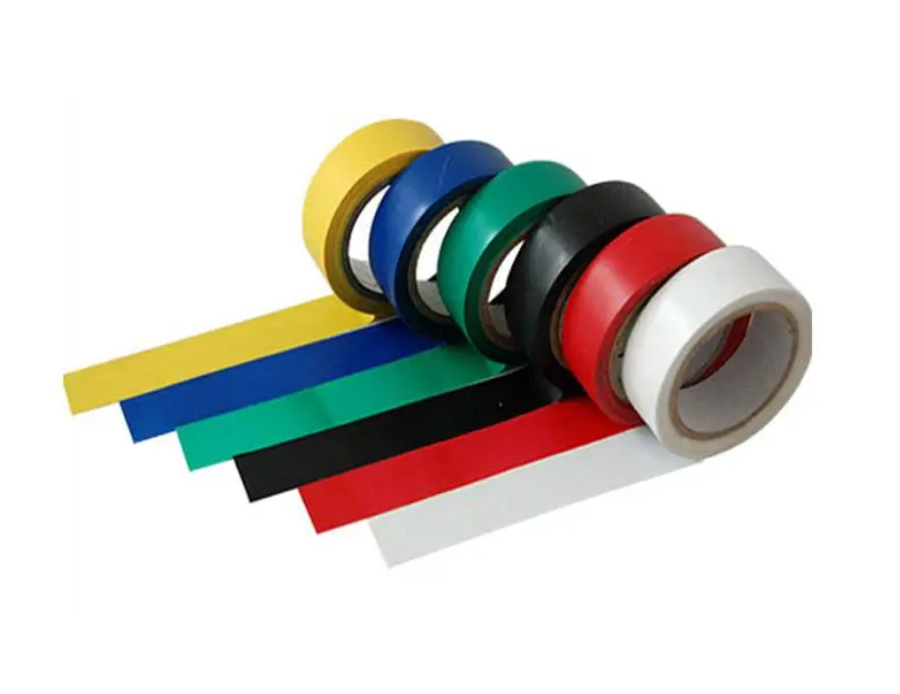
Equally important are the questions behind the product: Who manufactures it? Can you verify its claimed performance? A technical data sheet is only meaningful when the factory producing the tape has the capability to measure and consistently control the specified parameters. This article explains how to read a PVC Electrical Insulation Tape technical data sheet, why these figures matter for safety, and why choosing a manufacturer with in-house testing capabilities and a proven track record, such as Shanghai Newera, is essential for building a reliable supply chain.
What Does a Technical Data Sheet Really Tell You?
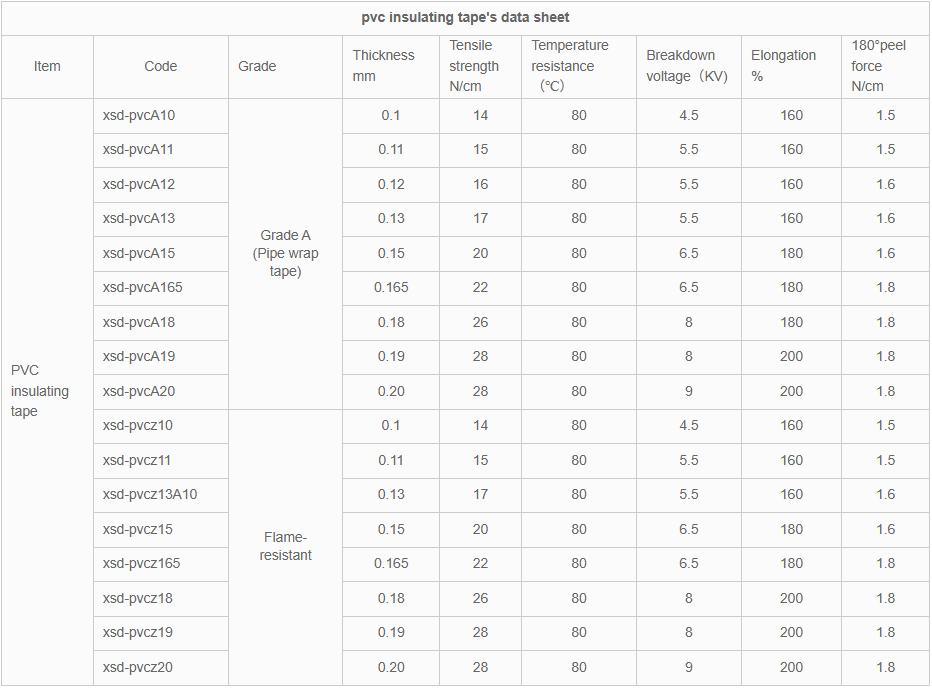
PVC Electrical Insulation Tape consists of a flexible polyvinyl chloride (PVC) film backing coated with a rubber-based pressure-sensitive adhesive. The PVC backing provides electrical insulation, flame-retardant properties, voltage resistance, and low-temperature flexibility, while the rubber-based adhesive delivers initial tack and long-term adhesion. Before comparing prices, buyers should evaluate the following key parameters:
Thickness (mm): This refers to the physical thickness of the tape, typically ranging from 0.1 mm to 0.2 mm. A thicker backing generally provides greater dielectric strength and better mechanical protection, which can be particularly important for cable joints exposed to vibration or mechanical stress.
Tensile Strength (N/cm): This measures the force the tape can withstand before breaking under tension. During application, the tape is stretched as it is wrapped around wires and cable joints. If its tensile strength is insufficient, excessive stretching may cause the tape to become thinner, tear, or lose its ability to provide consistent coverage. In demanding applications, higher tensile strength can contribute to more durable wrapping and better resistance to mechanical damage.
Temperature Resistance (°C): This indicates the temperature range within which the tape can operate without unacceptable deterioration. Standard PVC electrical insulation tapes may have a temperature rating of 80°C, making them suitable for many general indoor electrical applications, motor wiring, and household appliance wiring. Before using the tape in high-temperature environments, such as around motors, transformers, or heat sources, always verify the rated operating temperature of the specific product.
Dielectric Breakdown Voltage (kV): This is the voltage at which the tape’s insulating layer breaks down electrically. It is one of the most important safety-related parameters. A higher breakdown voltage may indicate a greater capacity to withstand electrical stress under the specified test conditions. This parameter is particularly relevant when selecting insulation materials for cable splices and terminations where preventing electrical breakdown is essential. However, breakdown voltage alone does not establish suitability for a particular operating voltage; the complete application requirements and relevant standards must also be considered.
Elongation (%): This measures how far the film can stretch before breaking, usually expressed as a percentage of its original length. Good elongation allows the tape to conform closely to irregular shapes, such as cable joints, terminals, and connectors, helping reduce the risk of tearing or leaving gaps during application.
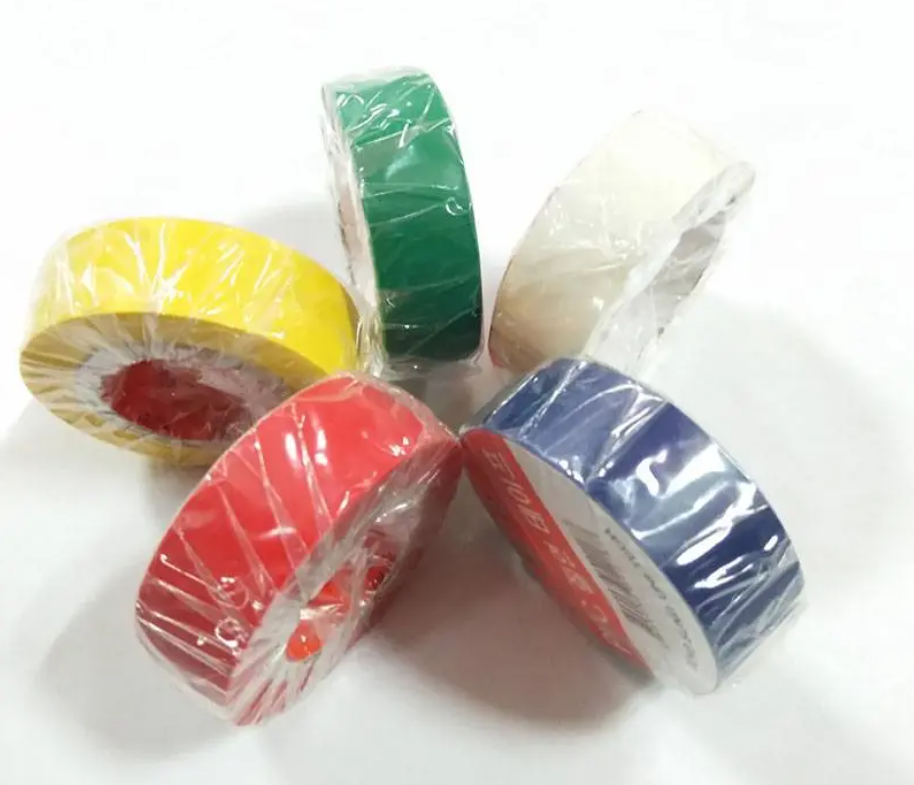
180° Peel Adhesion (N/cm): This measures the force required to peel the tape from a specified surface at a 180-degree angle under defined test conditions. The tape must maintain adequate adhesion during use and wrapping. Whether it can be removed cleanly without leaving residue depends on the adhesive formulation, the application surface, and the conditions of use. Good product quality depends on balancing adhesion, holding power, and removability rather than simply maximizing tack.
Color consistency is also important because color coding can serve a safety-related identification function. Electrical phases and different wire groups may be identified by color, so consistency between production batches helps prevent confusion during installation and maintenance. Achieving this consistency requires effective control over raw materials, pigments, and production parameters.
Why These Figures Depend on the Factory Behind the Product
There is an uncomfortable reality in tape procurement: almost any seller can display a technical specification sheet alongside a product photo. The difference between a reliable supplier and an unreliable one lies in whether the manufacturer can substantiate the stated performance with appropriate testing and quality-control records.
In-house testing is more valuable than unsupported promises. Shanghai Newera, a professional tape manufacturer, has its own laboratory for evaluating raw materials and finished products. Dedicated quality-control personnel conduct inspections independently of the production line, using equipment such as computerized tensile testing machines, holding-power testers, initial tack testers, and digital viscometers to assess product performance.
When a factory can test and document parameters such as tensile strength and peel adhesion, buyers have access to measurable quality data rather than relying solely on marketing claims. Electrical performance, including dielectric breakdown voltage, should also be verified using appropriate test methods and equipment. Buyers should request product-specific test reports when these parameters are critical to the intended application.
Certifications help support international market access. For international buyers, relevant certifications and compliance documentation can play an important role in supplier evaluation. Standards and requirements such as ISO 9001 quality management, RoHS, REACH, and applicable third-party testing or certification reports may be relevant, depending on the product and target market.
These documents serve different purposes. ISO 9001 relates to quality management systems, while RoHS and REACH address specific environmental and chemical compliance requirements. Third-party test reports may provide evidence of particular product characteristics. None of these should automatically be interpreted as proof of every electrical, insulation, or flame-retardant property. Buyers should verify which certificates and test reports apply to the exact product model and intended application. A manufacturer with well-organized compliance documentation can help distributors, OEM customers, and private-label brands manage supplier qualification more efficiently.
Decades of manufacturing experience support process consistency. Tape manufacturing relies on process control developed through experience and continuous improvement. Stable quality requires more than a competitive price; it also depends on established production procedures, reliable raw material sourcing, and effective batch-to-batch quality management.Our colorful masking tape passed the test of CPSIA,and meet the requirements of relevant US regulations:U.S. Consumer Product Safety Improvement Act 2008
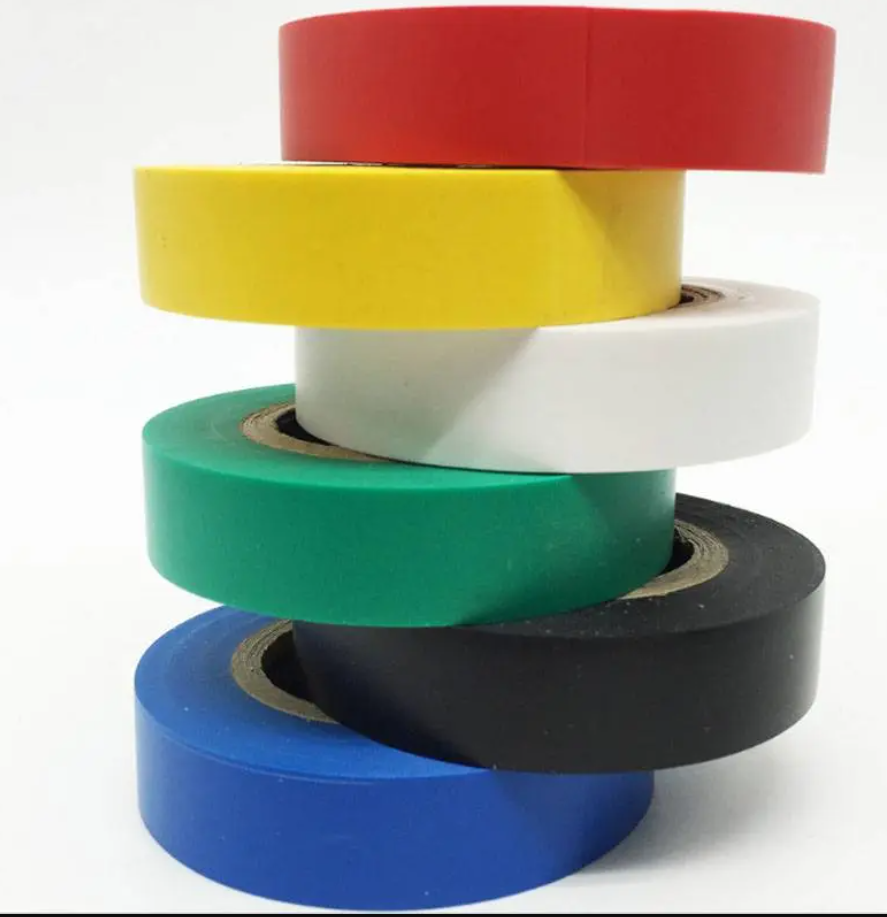
Shanghai Newera Viscid Products Co., Ltd. began manufacturing adhesive products in Shanghai in 1984 and integrated manufacturing with trading in 1990. Over the following decades, the company continued to develop its production and export operations. This experience has helped the company build established manufacturing processes, maintain raw material supply relationships, and improve production consistency.
Shanghai Newera values the positive feedback and long-term cooperation of its global business partners. We believe that reliable products are the foundation of good service, while dependable service is essential for maintaining long-term relationships in international markets. Looking ahead, we remain committed to continuous improvement and welcome customers and potential partners to visit our factory, discuss their requirements, and explore opportunities for cooperation.
Post time: Oct-29-2026