




There are countless Foam Tape and Foam Double Sided Adhesive Tape products on the market. While their specification labels may appear similar, not every product is suitable for every industrial application.
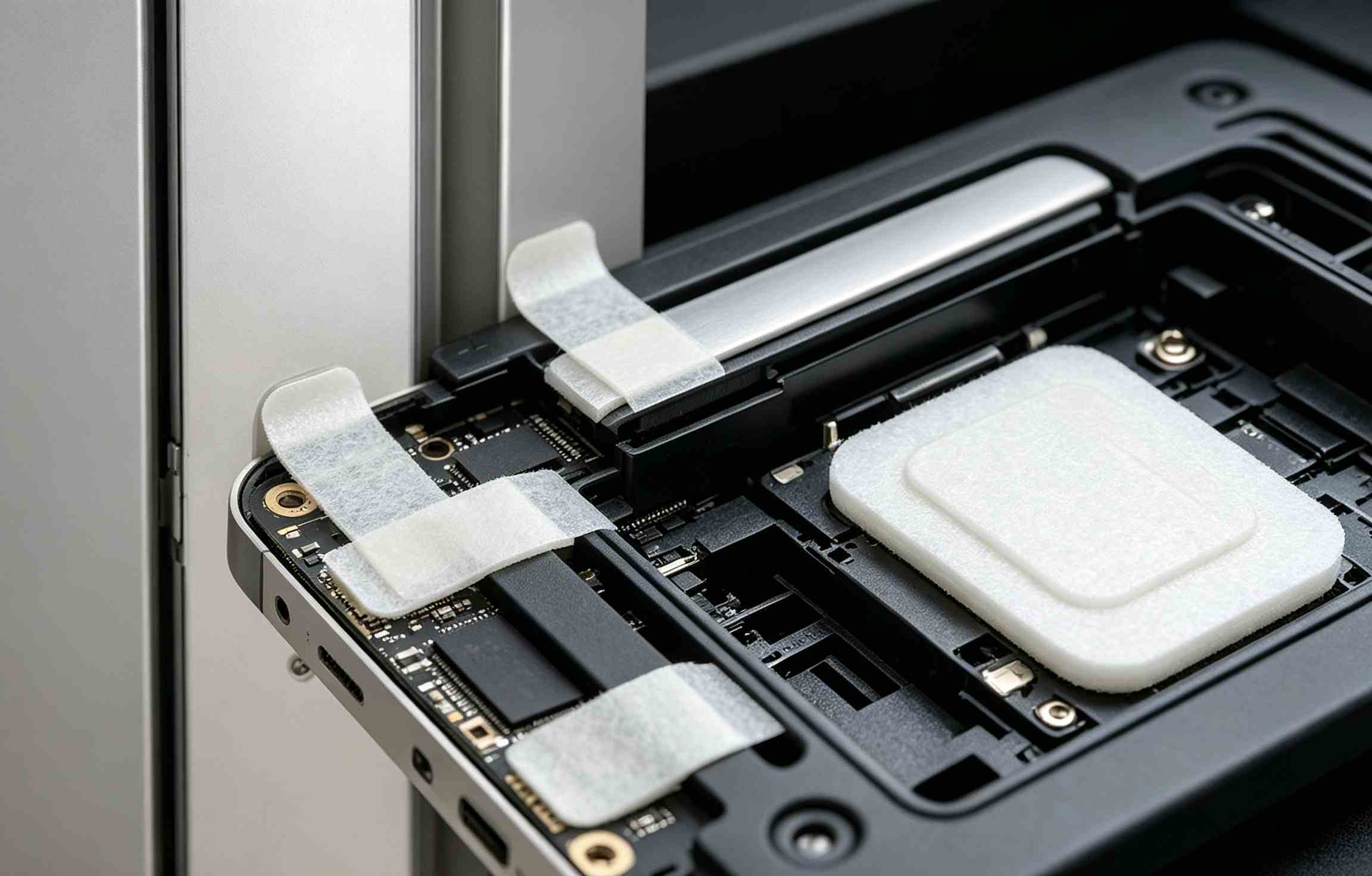
For corporate procurement teams, R&D engineers, and distributors, placing a large-volume order based solely on marketing claims such as “high-adhesion Foam Tape” can easily lead to adhesive failure, bubbling, debonding, or other problems during actual production. These failures can result in production rework, finished-product scrap, and unexpected costs. Before placing a bulk order, buyers should evaluate the actual performance of the tape from multiple perspectives, including adhesive type, foam thickness, substrate compatibility, and operating environment. Product selection should ultimately be based on actual application conditions and sample testing.
1.Adhesive Type
The adhesive formulation is one of the fundamental factors determining the overall performance of adhesive tape. It directly affects initial tack, peel adhesion, shear resistance, high- and low-temperature performance, and long-term aging durability.Foam adhesive tapes on the market commonly use different adhesive systems, including rubber-based, hot-melt, and acrylic adhesives. Each system has its own advantages and limitations.
Rubber-based adhesives generally provide excellent initial tack, but their resistance to UV exposure and high temperatures is relatively limited, making them more suitable for indoor or relatively short-term applications. Hot-melt adhesives can offer cost advantages, but under continuous high-temperature conditions, they may be more susceptible to creep and adhesive-layer separation.
Newera Acrylic Foam Tape
Shanghai Newera’s foam insulation tape uses a modified acrylic adhesive system designed to balance initial adhesion with long-term durability. Acrylic adhesives generally offer excellent resistance to aging and UV exposure, making them suitable for applications requiring long-term service. They can perform well under outdoor exposure and temperature cycling while helping reduce problems such as adhesive yellowing and adhesion loss over time. However, it is important to note that even acrylic adhesives can vary significantly between manufacturers due to differences in formulation and manufacturing processes. Therefore, buyers should not evaluate a product based solely on the adhesive category. Actual samples should be tested under representative application conditions before making a bulk purchasing decision.
2.Foam Thickness
Foam thickness is an easily overlooked factor during product selection. A thicker tape does not simply mean “stronger adhesion.” Instead, the foam layer primarily helps compensate for minor gaps, surface irregularities, and dimensional tolerances between components. Thinner Foam Tape is generally more suitable for substrates with smooth surfaces, tight tolerances, and close-fitting assemblies. When components have slight surface irregularities, assembly gaps, or curved surfaces, a thicker foam tape may be more appropriate. The foam layer can compress and deform to fill small gaps while helping maintain sufficient contact between the adhesive and substrate. Shanghai Newera foam tape is available in multiple thicknesses ranging from 0.4 to 2 mm. However, thicker is not always better. An excessively thick foam layer can reduce the overall shear resistance of the bonded structure. In applications subject to continuous shear loading, an overly thick tape may be more prone to sliding or creep. Engineers should therefore consider component tolerances and the actual type of load involved. Sample testing under simulated application conditions is recommended before selecting the final tape thickness.

Substrate Compatibility
Successful bonding is the result of interaction between the adhesive tape and the substrate. Even a high-performance adhesive tape cannot deliver the expected bonding strength if it is incompatible with the substrate. During the product evaluation stage, buyers should identify all substrate materials that the tape will actually contact during production. These may include: Metals Glass Engineering plastics Painted surfaces Coated or laminated surfaces Carbon-fiber composites Other composite materials
The condition of the substrate surface is just as important as the substrate material itself. Factors such as dust, oil contamination, mold-release residues, paint curing conditions, surface roughness, and surface energy can significantly affect the final bonding performance. For low-surface-energy plastics and certain painted or coated surfaces, even high-performance foam tape may not achieve sufficient adhesion. In such applications, a surface primer or other surface treatment may sometimes be required to improve bonding reliability. For this reason, buyers are strongly advised to conduct sample testing using the actual production materials rather than relying solely on catalog specifications or laboratory data.
Temperature and Environmental Conditions
The rated performance of adhesive tape is typically obtained under controlled laboratory testing conditions. Real-world applications can be much more demanding. Repeated temperature changes, high humidity, rain, sunlight, UV exposure, and contact with chemical solvents can gradually affect the service life of an adhesive tape. If the tape will be installed outdoors, inside high-temperature equipment areas, or in extremely cold environments, these environmental factors must be included in the product selection process. Shanghai Newera foam tape provides a combination of water resistance, solvent resistance, weather resistance, and temperature resistance. Its flexible foam carrier also provides good conformability to curved surfaces. However, even the same tape product can have significantly different service lives depending on the application environment. For demanding industrial projects, buyers should not place an order based solely on general product descriptions. Instead, suppliers should be provided with detailed application information, including: Operating temperature range Indoor or outdoor use Exposure to oil or chemicals Expected service life Type and direction of loading Substrate materials Surface condition Required bonding performance Based on this information, an experienced manufacturer can provide more targeted product recommendations and help customers avoid inappropriate product selection.

Why Does the Capability of the Source Manufacturer Matter?
Choosing the correct performance specifications is only the first step. For large-volume production, the manufacturer’s ability to maintain consistent manufacturing quality is equally important. The performance of mass-produced products should remain as close as possible to the samples that were originally tested and approved. Shanghai Newera Viscid Products Co., Ltd. has more than 30 years of experience in adhesive tape manufacturing and operates an independent laboratory. Every batch of Foam Tape undergoes systematic testing covering key properties such as peel adhesion, holding power, temperature resistance, and aging performance. In addition to standard specifications, we support customized sampling and product development based on customers’ actual application conditions. We can also provide TDS technical data sheets, compliance documentation, and relevant test reports to support engineers during internal product validation and project approval. For international customers, our comprehensive certification and compliance documentation can also support supplier audits and export project requirements.
Foam Tape Is a Bonding Solution, Not Just a Consumable
Purchasing foam tape is essentially the selection of a complete bonding solution rather than simply buying a roll of adhesive tape.
-1.jpg)
Before committing to a large-volume order, buyers should comprehensively evaluate the key performance characteristics of the product and conduct application-specific sample testing. By considering the adhesive system, foam thickness, substrate compatibility, environmental conditions, and manufacturer’s production capabilities, companies can significantly reduce the risk of adhesive failure and unexpected production costs. At Shanghai Newera, we combine more than 30 years of manufacturing experience with professional quality control, flexible customization, and technical support to help industrial customers select the right foam tape for their specific applications. Have a specific Foam Tape application or performance requirement? Contact Shanghai Newera to discuss your requirements and request technical information or samples.
Post time: Sep-09-2026